Knowledge sharing among WADA-accredited laboratories and scientists is a cornerstone of the global Anti-Doping system established by the World Anti-Doping Agency (WADA). According to the World Anti-Doping Code and the International Standard for Laboratories, collaboration and the exchange of scientific knowledge are essential to ensure harmonization, accuracy, and continual improvement in testing methods. By sharing research findings, analytical techniques, and emerging detection strategies, laboratories enhance their ability to identify new doping substances and methods, thereby staying ahead of evolving cheating practices.
This collective approach also promotes consistency in results across different regions, strengthens quality assurance, and supports the development of innovative technologies. Ultimately, effective knowledge sharing fosters trust in the Anti-Doping system and upholds the integrity of sport worldwide.
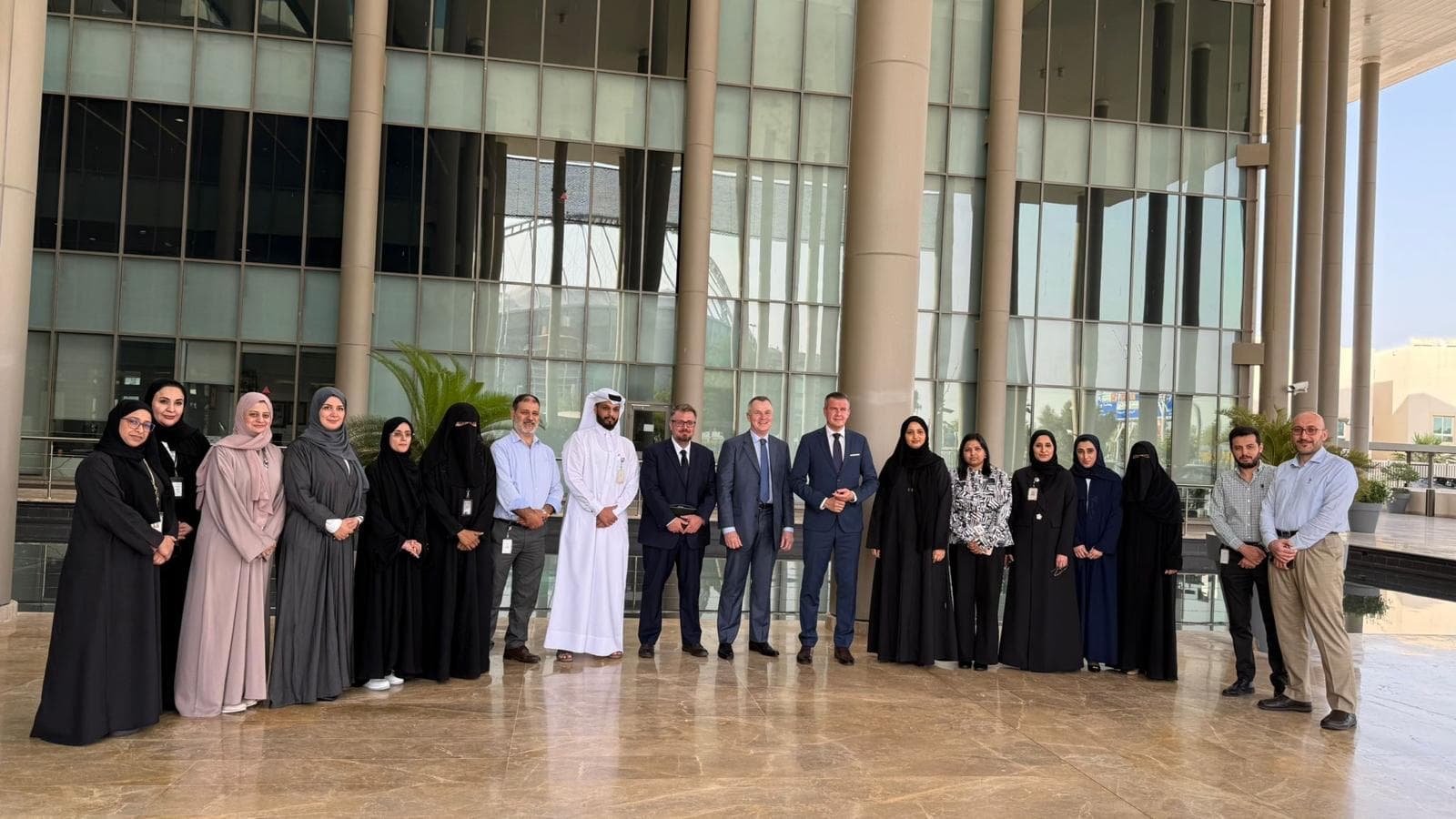
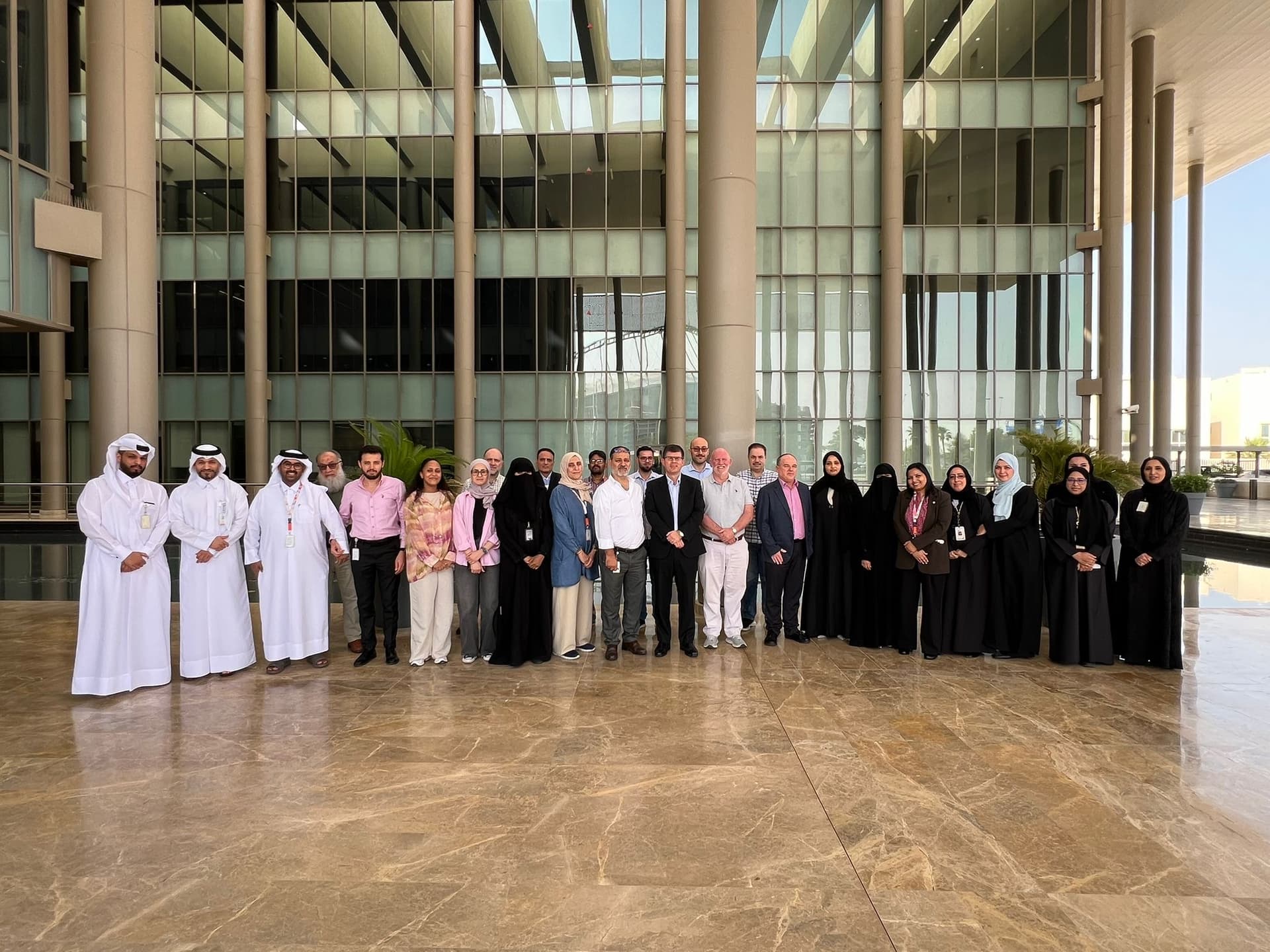
ADLQ recently had the privilege of hosting Professor Peter Van Eenoo who is Professor in the Department of Diagnostic Sciences and Director of the Doping Control Laboratory (DoCoLab) at Ghent University in Belgium. During his short but valuable stay valuable in depth technical discussions and knowledge took place among selected scientists. The visit focused on knowledge sharing on implementation of best practices across all critical aspects of doping control analysis.
The visit also included productive exchanges on Standard Operating Procedures, emphasizing the importance of clear documentation, version control, and staff training to maintain analytical integrity and traceability. Open discussions allowed our team to raise laboratory-specific questions related to workflow optimization, quality control strategies, and continuous improvement under ISO/IEC 17025 and WADA requirements.
Beyond technical topics, the visit showed a collaborative atmosphere that encouraged knowledge sharing and alignment with international anti-doping standards. The feedback received from Peter, provided valuable guidance for enhancing our laboratory practices and reinforcing our commitment to scientific excellence and regulatory compliance.
We extend our sincere appreciation to Professor Peter Van Eenoo for sharing his expertise and experience.